
How to Get Miller County Court Records
Figure out the court class first. Then decide what product you need: inspection, a plain copy, or a certified copy. Gail Johnson, Clerk of Superior Court, keeps the Miller County Superior Court civil and criminal files and serves as the published Juvenile Court contact. Probate and Magistrate records start in Room 110. City cases start with Colquitt Municipal Court. The local Case Search is unavailable, so plan on a mix of remote tools and direct clerk service.
- Identify Superior, Juvenile, Probate, Magistrate, or Municipal Court from the notice, filing type, or citation.
- Try the official Clerk Case Search or Georgia Courts E-Access; use PeachCourt for accessible Superior documents.
- When online access fails, call, email, fax, mail, or visit the correct clerk with the case number, exact party spelling, document name, and date range.
- State whether inspection, a plain copy, a certified copy, or a transcript is needed and ask for a cost estimate.
- Confirm delivery and payment before sending money because Miller counter and certification fees were not published.
Miller County has a written request form, but read the fine print. It says constitutional-office records must go elsewhere. They go straight to the responsible office. Also know what a clerk owes you: existing records only. A clerk need not create a new analysis.
Miller County Records Follow the Custodian
That routing rule prevents a common mistake with Miller County court files. Sending every request to general county government can slow things down. Take Superior and Juvenile requests to Room 103. Take Probate and Magistrate requests to Room 110. Colquitt Municipal Court keeps its city traffic and ordinance files. You will find them at 154 West Street.
Room 103: Superior civil and criminal filings, Superior docket material, and the published Juvenile contact.
Room 110: Probate estates and guardianships, limited civil claims, warrants, hearings, and assigned lower-court matters.
Municipal Court: Colquitt citations, city ordinance matters, dispositions, and existing city calendar records.
The word Colquitt is geographic, not legal guidance. A case arising in the county seat may still belong to a county court. A city citation, by contrast, may remain with Municipal Court the whole way through.
Types of Miller County Court Records
Know what you are asking for before you file. A docket is the chronological register of a Miller County case, entry by entry, date by date. A filed document is something different: the pleading, the order, the return, an exhibit, or the judgment itself. Want the clerk's official stamp on it? That makes it a certified copy. A transcript is last, and it stands apart, since it is the court reporter's written account of what was said, with its own ordering steps and fees.
- Superior civil and criminal docket sheets and filed papers
- Judgments, signed orders, dispositions, sentences, and returns of service
- Probate estate, will, guardianship, and related records
- Magistrate limited-claim, dispossessory, garnishment, warrant, bond, and committal records
- Colquitt Municipal citations, dispositions, judgments, and calendar entries
Juvenile and adoption materials sit under stronger protection than the ordinary court record. One caution on dockets: an entry may be public while an attachment is not, so expect redactions before you see everything.
Miller County Open Records Request Details
Start with the Miller County Open Records form. It asks for the request date, your contact details, a description of the record, the date you want it available, and your signature. The form cites O.C.G.A. §50-18-70 et seq. It also uses three-day response language, subject to that statute, and warns that search, redaction, production, and copying charges may be reasonable. Phrase your request well and you save yourself delays. Ask for "inspection or copies of the existing docket/register and specified filed document." List the court, the case number if you know it, the document type, a date range, and whether you want ordinary or certified copies. Request an estimate before production begins. If the clerk withholds part of the court record, ask for the legal authority relied on. That is the right way to seek an existing Miller County filing. It beats asking for a newly written narrative.
What a Miller County Court Record Contains
Georgia Uniform Superior Court Rules 39.2 and 39.3 offer the clearest inventory. They list what a court file should hold. What you actually see on screen can differ from that list. Remember, too, that a case number is only an index key. It is not proof of liability or guilt. It shows no current status either.
| Case identity | County, docket name, unique number, case type, filing date, parties, and assigned judge where recorded. |
|---|---|
| Civil detail | Cause of action, service, costs, proceedings, dismissal, settlement, judgment, transfer, and appeal events. |
| Criminal detail | Charges, accusation or indictment, pleas, proceedings, disposition, sentence, warrants, and appeal events. |
| Filed papers | Complaints, petitions, motions, answers, orders, judgments, returns, exhibits, and other available documents. |
| Calendar activity | Scheduled events may appear, but a setting does not prove that a hearing occurred or the case ended. |
Read the docket top to bottom, in date order, so the Miller County court record tells its own story.
Then find the signed order, judgment, sentence, or certified disposition that answers your real question.
PeachCourt Documents for Miller County
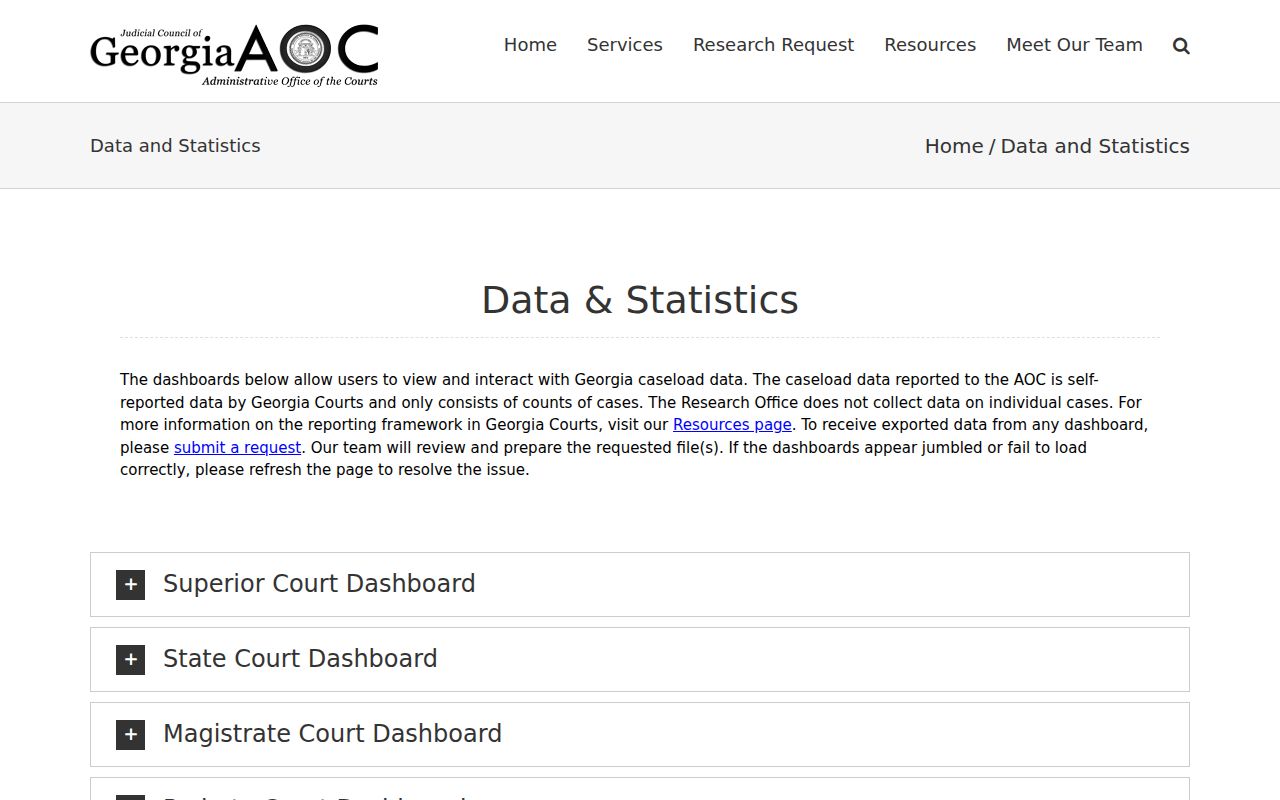
Georgia Courts lists PeachCourt as the e-file provider for Miller Superior Court. An account holder buys documents there at $0.50 per page, plus a small convenience fee. Many participating courts hold docket data going back to about 2005. Coverage varies, and not every paper is online. Sealed files, adoptions, and unexecuted proposed orders stay off the system entirely. Papers missing online may be requested through provider support, but the clerk stays authoritative. E-filing is also a separate thing from public access. Free access goes to an e-filer of record. It does not carry over to the general public. For numbers in the aggregate, the Georgia Courts data dashboards are a different product altogether.
Miller County Certified Copies and Fees
A plain copy just reproduces an available paper. A certified copy carries the clerk's certification, which another court, agency, or formal proceeding may require. Seeing a docket entry online does not certify anything on its own. The clerk posts no current Miller County counter, certification, or transcript prices. Ask for a quote before ordering.
| Item | Published amount | Next step |
|---|---|---|
| PeachCourt document | $0.50 per page plus convenience fee | Confirm availability and final provider charge. |
| Miller plain or certified copy | Not published | Ask the correct clerk for current fee and payment method. |
| Open Records work | Reasonable charges may apply | Request an estimate for search, redaction, production, and copying. |
| Transcript | Not verified | Ask Room 103 for the reporter and ordering procedure. |
Gail Johnson, Clerk of Superior Court
155 South First Street, Courthouse Room 103
Colquitt, GA 39837
P.O. Box 66, Colquitt, GA 39837
229-758-4102 • Fax 229-758-6585
Monday-Friday, 9:00 a.m.-5:00 p.m.
Miller County Record Search Limits
Several official layers can trip up a docket search in Miller County. The Clerk's WebCaseManagement endpoint fails. Georgia E-Access still lists a legacy Miller State Court row. That court was abolished by 2024 legislation. Its pending matters moved elsewhere. The Clerk's forms index also carries old or non-Miller language. Treat those artifacts as clues, not current instructions.
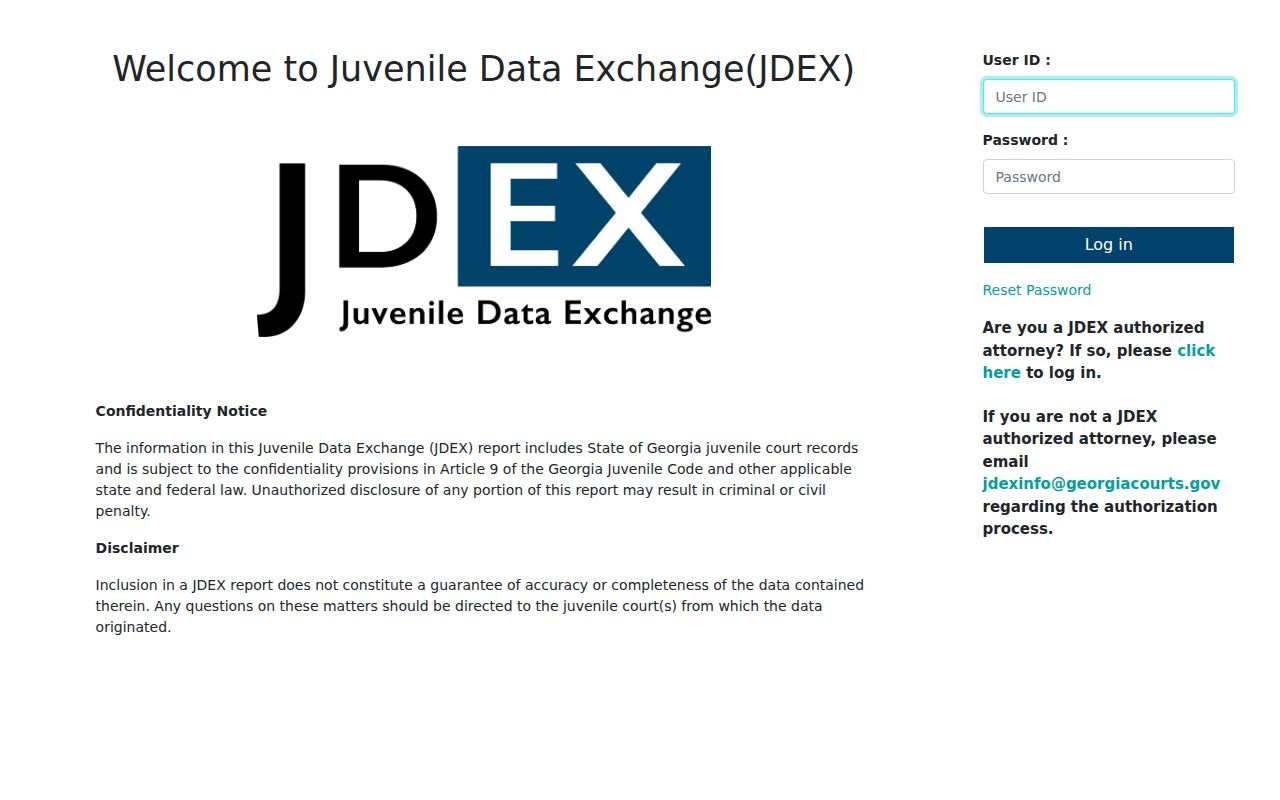
When a portal fails, take the silence as proof of nothing. Save the error message, confirm which court you need, and call the clerk. For an older State Court matter, ask what label the case now carries. Ask where the file lives. The clerk names no public terminal location for Miller County. The Georgia JDEX login is one more limited system, not a full answer.
Public Access to Miller County Sealed Records
Georgia tilts toward openness, yet open to the public is not the same as unredacted or online for everyone. Uniform Superior Court Rule 21 opens Superior Court records to inspection unless a law limits access. Rules 21.1 through 21.5 then work through the details. They cover what the sealing covers, how long it lasts, the reason behind it, and how review works. Rule 21.6 takes a different job. It shields identifiers and sets out a way to file confidential papers in a Miller County case file.
Key Rules:
O.C.G.A. §§ 50-18-70 and 50-18-71 favor inspection and copying subject to exemptions, response rules, redaction, and reasonable charges.
Uniform Superior Court Rule 21 presumes Superior Court records open unless lawful restrictions apply.
Georgia juvenile access rules and JDEX restrict juvenile information to lawful, authorized channels.
Sealed and restricted files: Adoption, juvenile, and other sealed Miller County court records stay off public view, and papers that carry personal identifiers may come back redacted or not at all. If you can see a docket entry but the paper itself is withheld, ask the clerk which authority applies and whether a redacted public version exists.
Miller County Inspection at Room 103
When the docket search link fails, visiting the clerk beats giving up. The same goes if PeachCourt lacks a filing. Show up with the court class and the case number if you have it. Bring the exact party spelling, a filing-date range, and a short list of the documents you want. Start by asking staff to pull the docket register for your case. Its dates and entry titles then tell you which papers to request.
Room 103 keeps its counter open Monday through Friday from 9:00 a.m. to 5:00 p.m. A quick call to 229-758-4102 saves a wasted trip. Confirm access, accepted payment, and whether an older file needs advance retrieval. One limit matters. Clerks can locate and copy Miller County court records. But they cannot tell you what a filing legally means.